

For many homeowners, keeping an old flat or condo feels safe and sentimental. You know your neighbours, you’ve settled in, and you might even think that one day, your property could be part of a redevelopment windfall.
But the truth is this: holding on to an ageing property could be quietly draining your finances. Whether you own an HDB flat or a private condo, every year that passes brings you closer to the steep part of the depreciation curve – where values drop quickly, buyers thin out, and maintenance costs rise.
If you’re thinking about upgrading or right-sizing, now might be the best time to take action before your property’s value begins to slide. And here’s why:
Table of contents
- The value trap of ageing homes
- Why does your property’s value drop faster over time?
- And HDB flats are no exception – yes, even jumbo and executive flats
- Financing rules that limit your future buyers
- Hidden and rising costs of staying put
- 1. Costly repairs and special levies
- 2. Higher maintenance fees
- 3. Expensive renovations that don’t add value
- The En Bloc and SERS illusion
The value trap of ageing homes
Every 99-year leasehold property, whether public or private, would ultimately become a depreciating asset. That’s simply how leasehold ownership works.
When your home is new, the decline is slow and almost unnoticeable. In fact, the value would be dictated by market forces and could see appreciation depending on several factors. But once your condo or flat crosses around 40 years of age, or when the remaining lease drops below 65 years, depreciation starts to speed up sharply.
At that stage, financial planning becomes crucial. If you’re an owner of an older property, you’ll want to assess your options carefully – because once your home enters that accelerated phase of lease decay, it gets much harder to preserve its value or sell it later at a good price.
Why does your property’s value drop faster over time?
| Remaining lease (Years) | Depreciation phase | Financial constraint impact | Implication for owner |
| 99 – 85 | Stable | Full CPF/LTV access for most buyers. | Optimal window for appreciation. |
| 85 – 65 | Moderate (5-8% annual decay) | Full financing is still possible, but value loss accelerates. | Exit window begins to narrow. |
| 65 – 40 | Rapid (10%+ annual decay) | CPF Pro-ration starts if buyer age 95 requirement is not met | Liquidity drops sharply; future sale price suppressed. |
| 40 – 30 | Terminal Decline | LTV Ratio cut to 60% or less. Requires massive cash down payment | Buyer pool reduced to almost exclusively cash buyers. |
| < 20 | Value minimal | No loans available for HDB purchase | Asset is highly distressed and extremely difficult to sell. |
To understand this, valuers and government agencies like the Singapore Land Authority (SLA) use what’s known as Bala’s Curve. It’s a model that maps how leasehold properties lose value compared to freehold ones – and it clearly shows that depreciation doesn’t happen evenly.
At first, there’s an Initial Stability Phase – typically when your lease is between 99 and 85 years. During this time, prices hold steady, and financing is easy to obtain.
As leases shorten to around 85 to 65 years, your property enters the Moderate Depreciation Phase, where annual value loss can reach 5–8% per year. You can still sell at this stage, but the window for a smooth, high-value exit starts to narrow.
The real tipping point comes when the lease falls between 65 and 30 years – this is called the Rapid Depreciation Phase. If your condo or flat is already in this range, it means the asset is losing value quickly – often faster than the overall market can make up for.
Once a property enters the Terminal Phase (below 30 years of lease), the situation becomes even tougher. Values can sink to just 20–30% of a comparable freehold property, and finding a buyer becomes a real challenge. At that stage, your home may still have sentimental worth, but in financial terms, it’s seen as a distressed asset.
And HDB flats are no exception – yes, even jumbo and executive flats
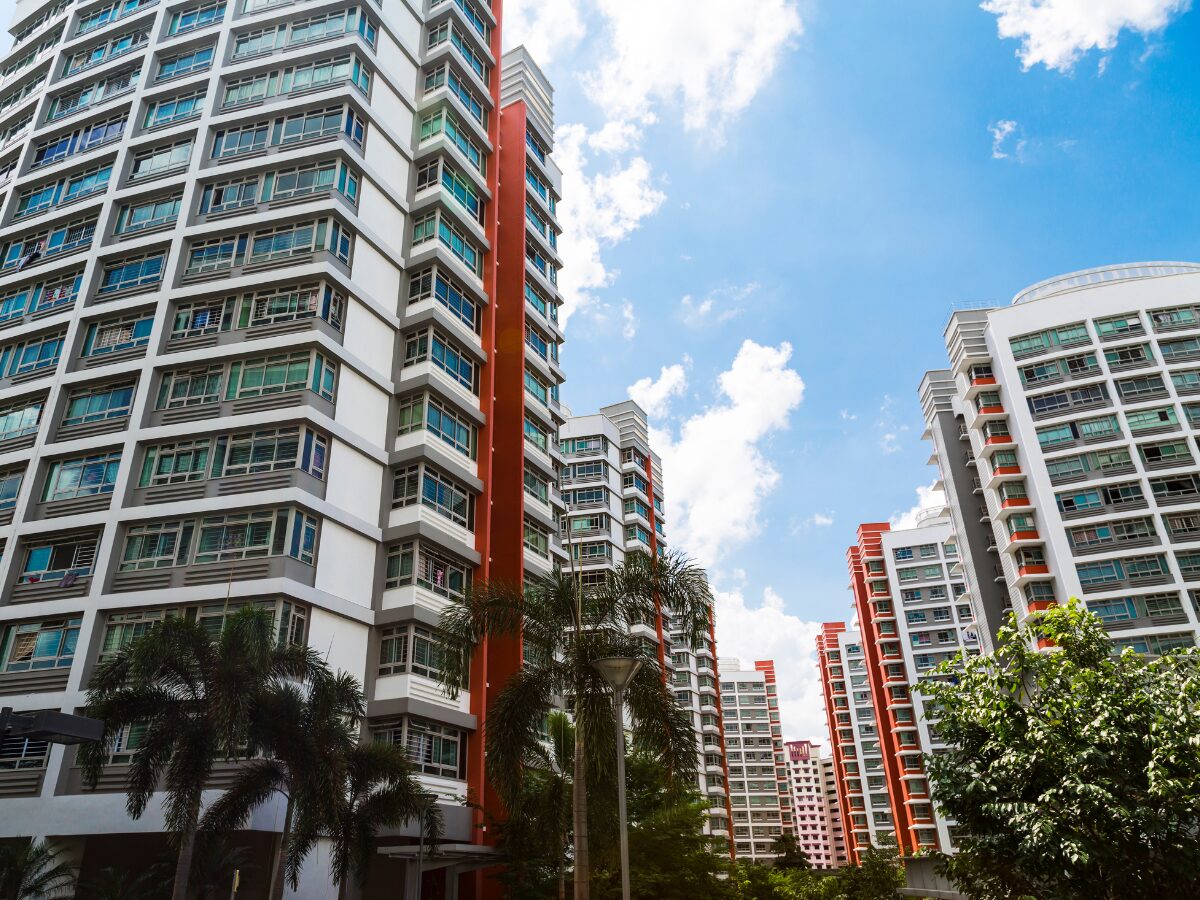
There’s a common belief that some HDB flats somehow escape the effects of lease decay – but that’s not true. While the HDB market operates differently and tends to move more steadily, older flats face the same underlying issue: every 99-year lease has an expiry date.
In recent years, larger executive flats and jumbo flats have held up better in value than some expected, but this resilience is beginning to fade. With most major SERS exercises already concluded and VERS still decades away, the likelihood of government redevelopment support is now slim.
Flats that are already 50 years or older are entering a critical stage. Even if prices haven’t fallen sharply yet, the signs of strain are there. Smaller units, such as 3-room and 4-room flats, tend to be hit harder in downturns, while larger ones may hold up slightly better – but only for a while.
The real issue for HDB owners isn’t just price decline; it’s liquidity, or how easily you can sell when you need to. Once your flat’s remaining lease dips below 60 years (which means it’s around 39 years old or more), future buyers will face strict financing limits. That shrinks your potential buyer pool almost overnight.
Financing rules that limit your future buyers
When your property gets older, it’s not just about the physical wear and tear. Financial restrictions start to tighten too – quietly, but decisively. These rules, set by the Central Provident Fund (CPF) Board and the Monetary Authority of Singapore (MAS), determine how easily buyers can finance your home.
Once your property falls short of these requirements, it immediately becomes harder to sell. In short, your buyer pool starts shrinking, and that creates a financial bottleneck that directly suppresses your property’s price.
Let’s say a 45-year-old buyer is eyeing your flat. For them to use their CPF savings in full, the property must have at least 50 years of lease remaining. If it doesn’t, CPF usage becomes pro-rated, and the buyer must top up the shortfall in cash.
This rule, known as the “age 95 test”, applies to both HDBs and private properties. The less CPF buyers can use, the less they can afford to pay. That directly lowers your selling power.
Banks take a similar view. For newer homes, buyers can borrow up to 75% of the purchase price. But when leases get shorter, banks tighten their lending. For properties with 30 to 40 years left, the Loan-to-Value (LTV) ratio can drop to 60% or even 55%.
These financing rules don’t just affect buyers – they affect you. Because when fewer people can secure full financing, fewer will bid competitively for your home. Over time, that means a longer selling process and, very likely, a lower selling price.
Hidden and rising costs of staying put
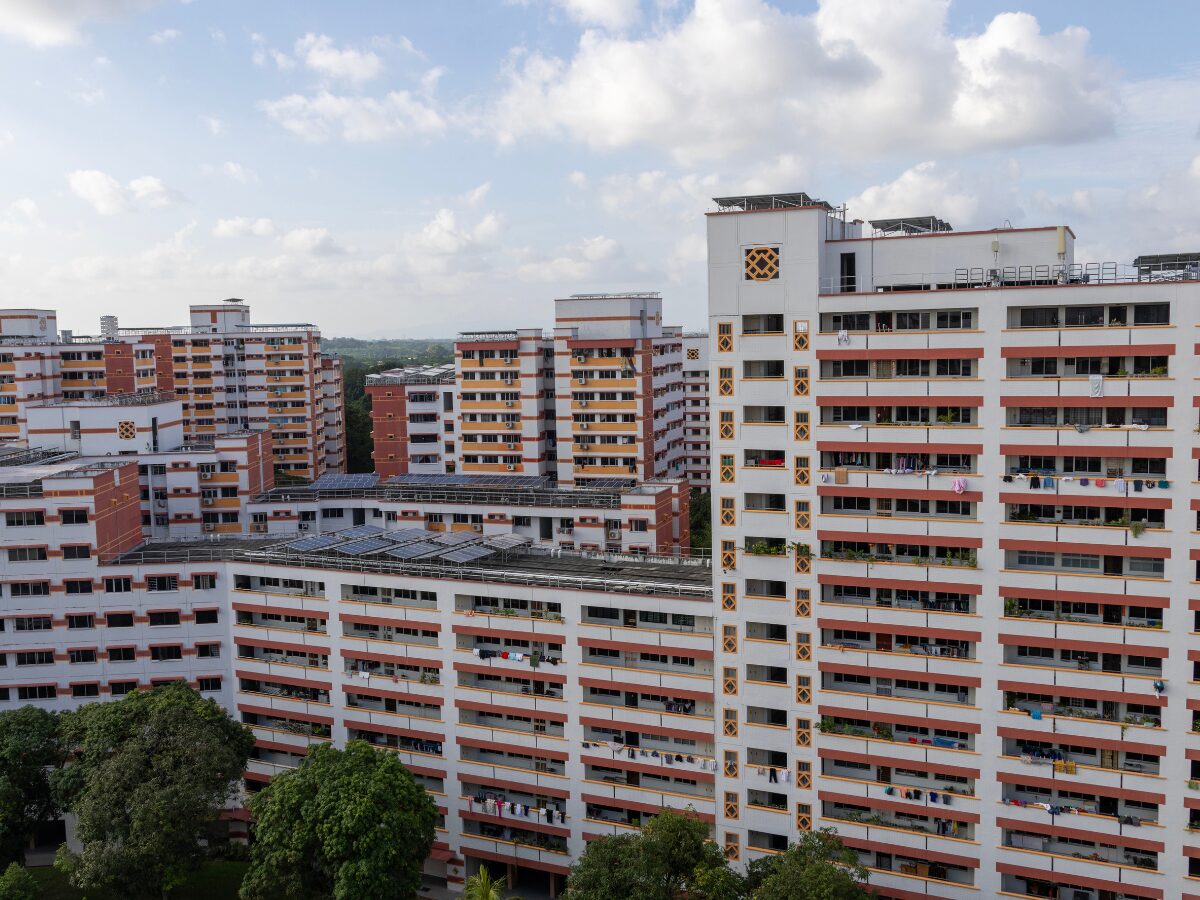
Even if your home’s value hasn’t started to fall, an ageing property can slowly chip away at your finances. As buildings grow older, repairs become more frequent, systems wear out, and the costs of keeping everything functional start to add up.
These aren’t occasional surprises – they’re recurring and often unpredictable. With each passing year, they can eat into your savings faster than you expect.
1. Costly repairs and special levies
Older condominiums face a growing risk – their sinking funds often can’t keep up with the rising costs of repairs. Many were set up decades ago, based on outdated maintenance budgets.
When lifts, façades, or waterproofing systems eventually need replacing, the Management Corporation Strata Title (MCST) may not have enough reserves. That’s when owners are hit with special levies – large, one-off payments that can easily run into the tens of thousands.
Unlike HDB estates, private condos have no government safety net. These unexpected bills fall entirely on owners, disrupting cash flow and creating financial stress.
2. Higher maintenance fees
Even without special levies, monthly maintenance fees for older developments almost always rise over time. Frequent repairs, inflation, and stricter safety requirements all push costs higher, especially as buildings age. As a result, monthly maintenance fees can rise steadily, eating into your cash flow.
Newer condos, by contrast, enjoy lower upkeep costs because their systems are modern, efficient, and still under warranty.
3. Expensive renovations that don’t add value
Whether it’s an old HDB flat or a private condo, major renovations are almost always needed to keep older homes comfortable and safe.
A full renovation for a 3-bedroom resale condo can cost between S$60,000 and S$84,000, while a 4-bedroom unit can exceed S$90,000 – not including structural or wiring replacements common in homes over 40 years old.
These works don’t extend the lease or boost long-term value – they simply make the home livable again. In other words, you’re spending to maintain, not to grow.
That same capital, if redirected into a newer property, becomes a down payment on an appreciating asset rather than a repair bill for a depreciating one.
The En Bloc and SERS illusion
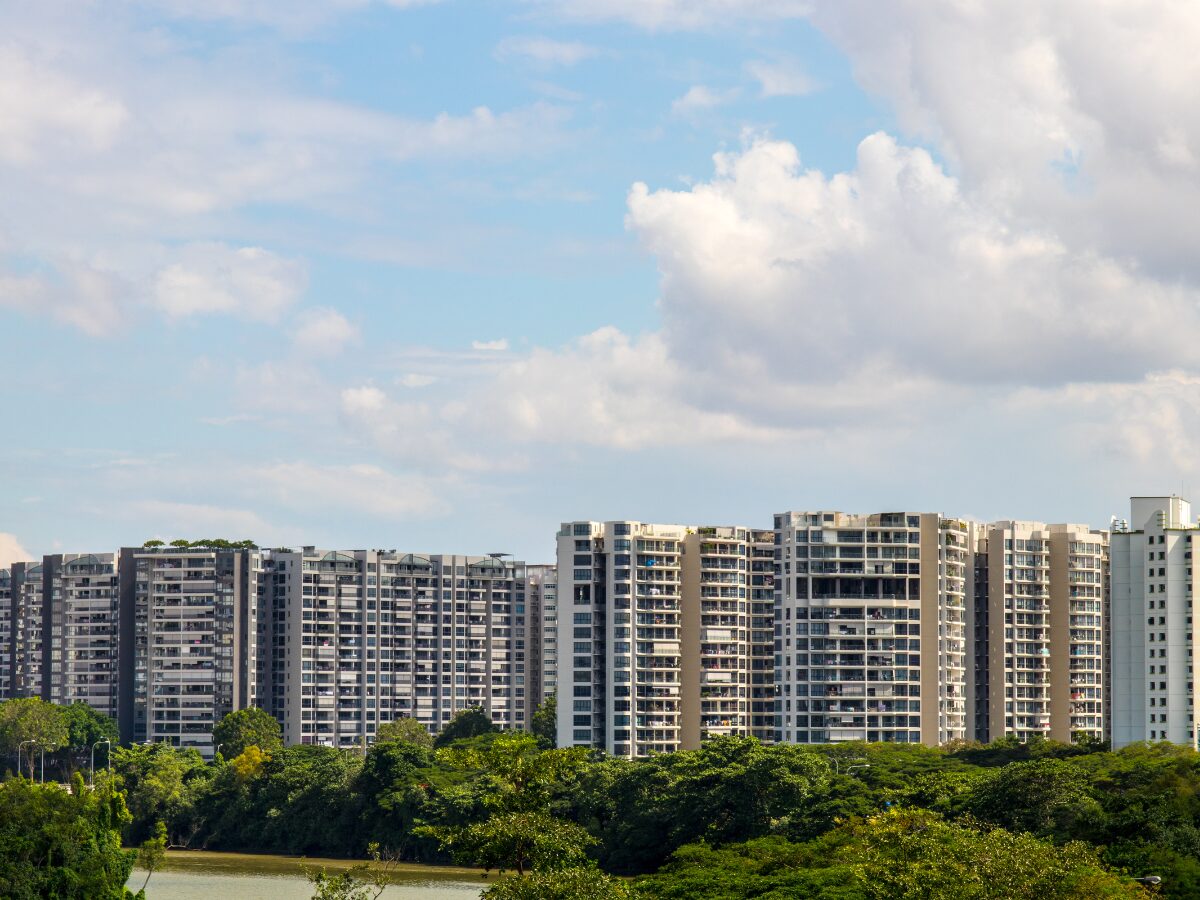
Many owners delay selling in hopes of a windfall from En Bloc or SERS redevelopment. Unfortunately, both have become long shots.
Recent data shows that fewer than one in four En Bloc attempts succeed, and the average premium is only around 14% above market value – far below the 30% or 40% many expect. Rising developer costs, stricter regulations, and higher interest rates have all made older sites less attractive.
As for HDBs, SERS is essentially over. The government has confirmed that future projects will be limited, and the upcoming VERS scheme, expected in the 2030s, will apply only to flats 70 years old or more. VERS will also likely offer smaller payouts than SERS, since by the time your flat qualifies, much of its value would already have eroded. And there’s no guarantee your block will even be selected.
So, if you’re living in a 40- or 50-year-old HDB flat, you may need to wait 20 to 30 years just to be eligible – all while your property depreciates steadily and becomes harder to sell.
So while waiting for a windfall feels easier than making a move, it often costs more than you realise. And while you wait, your home’s lease keeps ticking down, repairs keep adding up, and the opportunity to reinvest that capital elsewhere slips away.
If your home is getting older, now’s the right time to explore your next move. Book a FREE consultation with a 99.co Advisor to discuss what’s best for you.
The bottom line
Holding onto an old property might feel safe, but financially, it’s like standing still while the ground beneath you slowly erodes. The costs, from depreciation and limited financing to maintenance surprises, accumulate with time.
By choosing to sell before your property crosses key age thresholds, you’re not just cashing out – you’re unlocking your capital, future-proofing your wealth, and setting yourself up for growth in a dynamic property market.
The smartest move isn’t always to wait for what might happen years down the line. It’s to understand the market your biggest asset sits in and plan according to your goals – to optimise your outcome both financially and in terms of lifestyle.
The post Your older home could be costing you more than you think appeared first on .
