

In the dynamic landscape of Singapore’s property market, commercial real estate presents a unique opportunity. This guide delves into the intracacies of the commercial property market, especially following the increase in Additional Buyer’s Stamp Duty (ABSD) rates for residential properties as part of the September 2022 property cooling measures. Here, we explore why and how investors might pivot towards commercial properties in 2023 and beyond.
Understanding commercial properties
Commercial properties in Singapore, which include retail spaces, industrial and commercial buildings, and hotels, serve primarily for businesss operations and income generation. These properties are increasingly attractive to investor, businesspeople, and foreign buyers, particularly because they are exempt from ABSD, a levy applicatble to residential properties.
Below is a table to show the distinctions between the types of commercial properties and what are the examples for them:
| Type of commercial property | Examples |
| Commercial and industrial | Offices and warehouses (B1), factories (B2) |
| Retail | HDB shophouses, bars, restaurants, gyms, pet shops, shopping malls, shophouses |
| Hotel | Hotels, hostels |
Foreign investment in Singapore’s commercial property
Singapore’s legal framework permits foreign investors to own commercial properties without the restrictions faced in the residential sector. This openness creates a vibrant and inclusive market, appealing to international investors looking to tap into Singapore’s commercial real estate sector.
In reference to the Residential Property Act, the commercial properties that foreigners can buy are:
- Shophouses, for commercial use only
- Hotels, that are registered under the provisions of the Hotels Act
- Commercial and industrial properties
Key considerations before investing
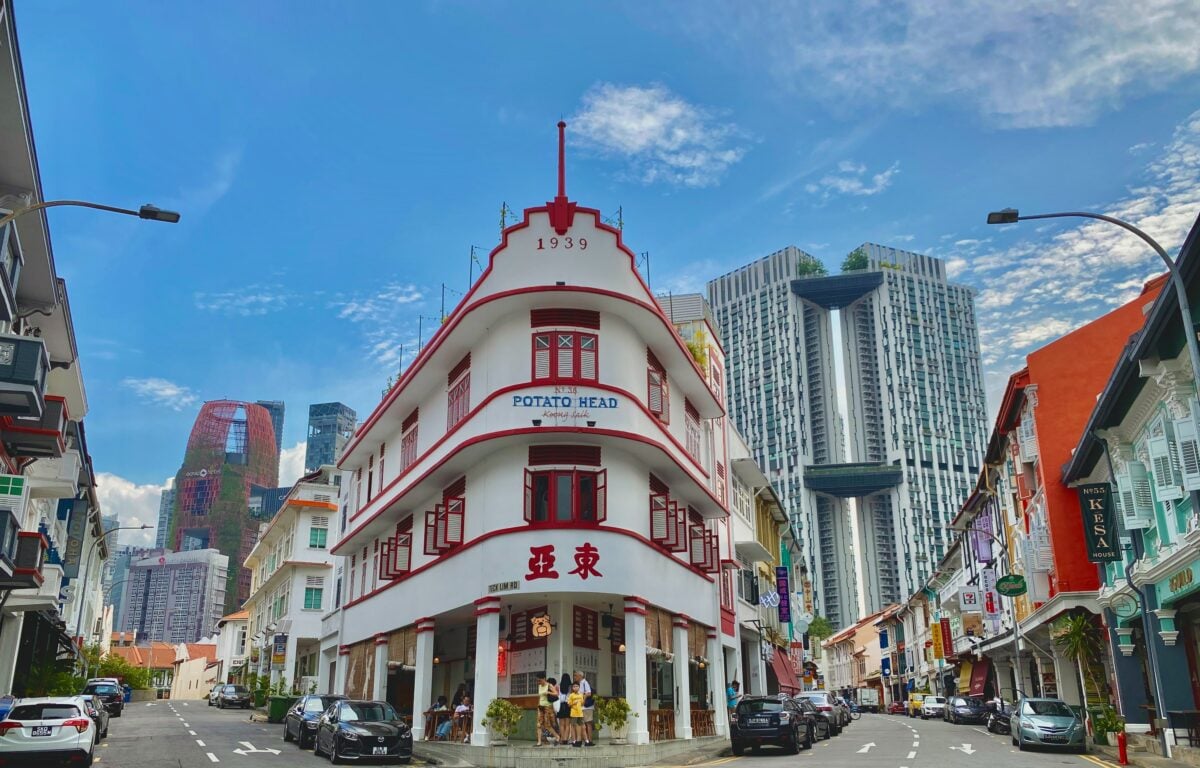
Investing in commercial property requires careful analysis. Various types of commercial properties come with unique risks and benefits. Investors should also consider the property’s zoning and potential for change in usage, as well as the significance of its location. Financial aspects like ABSD, Seller’s Stamp Duty (SSD), and the inapplicability of CPF funds for commercial property purchases further influence investment decisions. Explore our very own Stamp Duty Calculator before you proceed with the article!
You can take a look at the table below to see if you need to pay Seller’s Stamp Duty (SSD):
| Holding period | SSD rate (on actual price) |
| 1 year | 15% |
| 1 to 2 years | 10% |
| 2 to 3 years | 5% |
| More than 3 | No payable rate |
Financial aspects of buying commercial property
The financial landscape for acquiring commercial property in Singapore involves understanding loan-to-value ratios, the absence of ABSD, and the presence of SSD for certain types of properties. Additional costs, including property tax, Buyer’s Stamp Duty (BSD), and Goods and Services Tax (GST), as well as renovation and furnishing costs, play a crucial role in investment planning.
Read more: Navigating the waves: Singapore’s Cost-of-Living Support Package and its impact on the real estate market
Buyer’s Stamp Duty payment rates can be seen in the table below:
| Rates for residential properties | Rates for non-residential properties | |
| First S$180,000 | 1% | 1% |
| Next S$180,000 | 2% | 2% |
| Next S$640,000 | 3% | 3% |
| Next S$500,000 | 4% | 4% |
| Next S$1.5 million | 5% | 5% |
| In excess of S$3 million | 5% | 5% |
Leasing and rental yields
Commercial properties often come with different lease terms compared to residential properties, typically shorter. They are known to offer higher rental yields, though they may also incur higher maintenance costs, a factor to be considered by prospective investors. Check out our Affordability Calculator!
You can also take a look at some of the commercial properties we have for rent:
Financing commercial properties
Commercial property financing can be navigated through individual or corporate loans, with banks applying the Total Debt Servicing Ratio (TDSR) to assess loan eligibility. This varies between individual investors and companies, based on income and financial health.
Read more: A Singaporean’s guide to buying property in Malaysia
We also have a TDSR Calculator!
Finding commercial properties for sale
Prospective investors can stay informed about upcoming commercial property sales through Government Land Sales (GLS) announcements. Researching market trends, including rental rates and vacancy statistics, is essential for informed investment decisions.
Take a look at the commercial properties for sale we have on site now:


Seeking professional advise and loans
Navigating commercial property loans can be complex. Consulting with mortgage experts and financial advisors is recommended for personalised guidance tailored to individual investment profiles and goals.
Conclusion
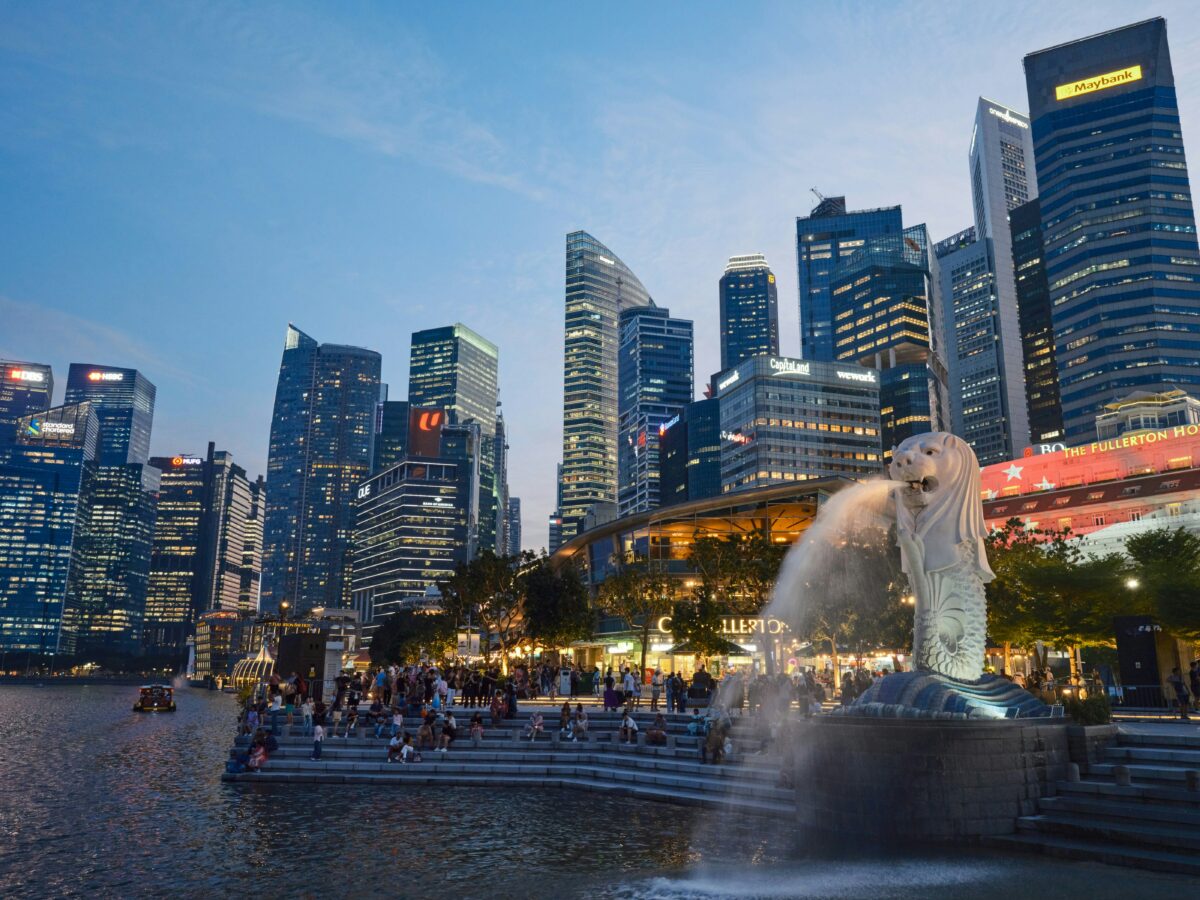
The commercial property market in Singapore offers promising opportunities for investors in 2023 and beyond. However, success in this venture requires thorough research, careful financial planning, and an understanding of the market dynamics.
For more information on commercial property investment in Singapore, visit our other articles like How to make a smart property investment during a slow market and Property investments: When high risks meet high rises!. We offer a wealth of resources for investors to make informed decisions in the real estate market.
Disclaimer: This information is provided for general purposes only. 99.co makes no representations or warranties regarding the accuracy, completeness, or reliability of the information. This guide should not be relied upon for making financial, investment, real estate, or legal decisions. We strongly advise seeking professional advice tailored to your personal circumstances. 99.co accepts no liability for decisions made based on this information.
The post Complete guide to buying commercial property in Singapore appeared first on .
