

In Q1 2026, some of the oldest HDB flats, with as little as 39 years left on their leases, were still being actively transacted. In several cases, these units were not just moving, but holding firm at consistent price levels.
This trend is not random. Instead, it reflects a more mature market, where buyers are making calculated decisions based on value, flexibility, and long-term use resulting in a growing market where lease decay is no longer the only factor shaping demand.
Table of contents
-
- The shortest lease segment: Teban Gardens and Bukit Merah (1966–1967)
- The “longer lease” transactions: Tampines and Ang Mo Kio (1980–1988)
- The scarcity premium: Adjoined and multi-generation models
- More reasons why buyers still choose older flats
The shortest lease segment: Teban Gardens and Bukit Merah (1966–1967)
| Street name | Block | Model | Area (SQFT) | Lease start | Remaining lease (2026) | Price (S$) | PSF (S$) |
| Teban Gardens Road | 37 | Improved | 721 | 1966 | 39 years | 316,888 | 439 |
| Teban Gardens Road | 39 | Improved | 721 | 1966 | 39 years | 320,000 | 444 |
| Hoy Fatt Road | 28 | Standard | 506 | 1967 | 40 years | 260,000 | 514 |
| Jalan Bukit Merah | 28 | Standard | 504 | 1967 | 40 years | 255,000 | 506 |
| Lorong 4 Toa Payoh | 56 | Standard | 463 | 1967 | 40 years | 272,500 | 589 |
| Lorong 5 Toa Payoh | 55 | Standard | 463 | 1967 | 40 years | 270,000 | 583 |
| Lorong 5 Toa Payoh | 54 | Standard | 463 | 1967 | 40 years | 278,000 | 601 |
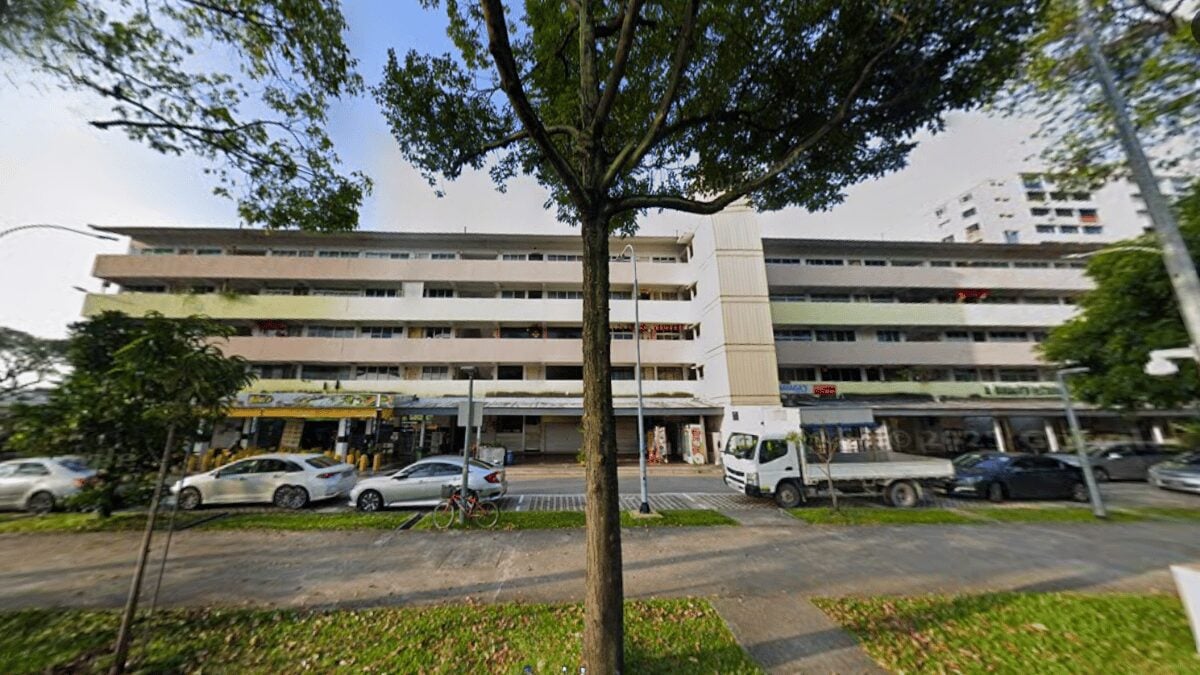
The oldest flats transacted in Q1 2026 are located in areas like Teban Gardens Road, where leases began in 1966. These units now have roughly 39 years remaining, placing them in the final stretch of their 99-year lease.
Even so, transactions continue to take place at relatively stable price levels. For instance, 3-room Improved flats in Teban Gardens, each around 721 square feet, were sold at about S$316,888 to S$320,000. This works out to roughly S$439 to S$444 per square foot. While this may appear modest compared to the wider market, it remains fairly firm, especially when you consider the tighter CPF financing limits tied to shorter leases.
At the same time, these flats sit within the more affordable, entry-level segment of the market. Because of their lower price point, they allow buyers to enter with minimal debt. This makes them particularly appealing to right-sizers or buyers looking for a practical housing option.
Location also continues to support the appeal of these flats. Teban Gardens, for instance, sits close to the Jurong Lake District, which is set to become Singapore’s second CBD – a point we’ll explore further shortly. In addition, the upcoming Pandan Reservoir MRT station (JE7) on the Jurong Region Line is expected to be just about a 4-minute walk away when it is completed around 2027–2028. This improves connectivity and strengthens rental potential over time.
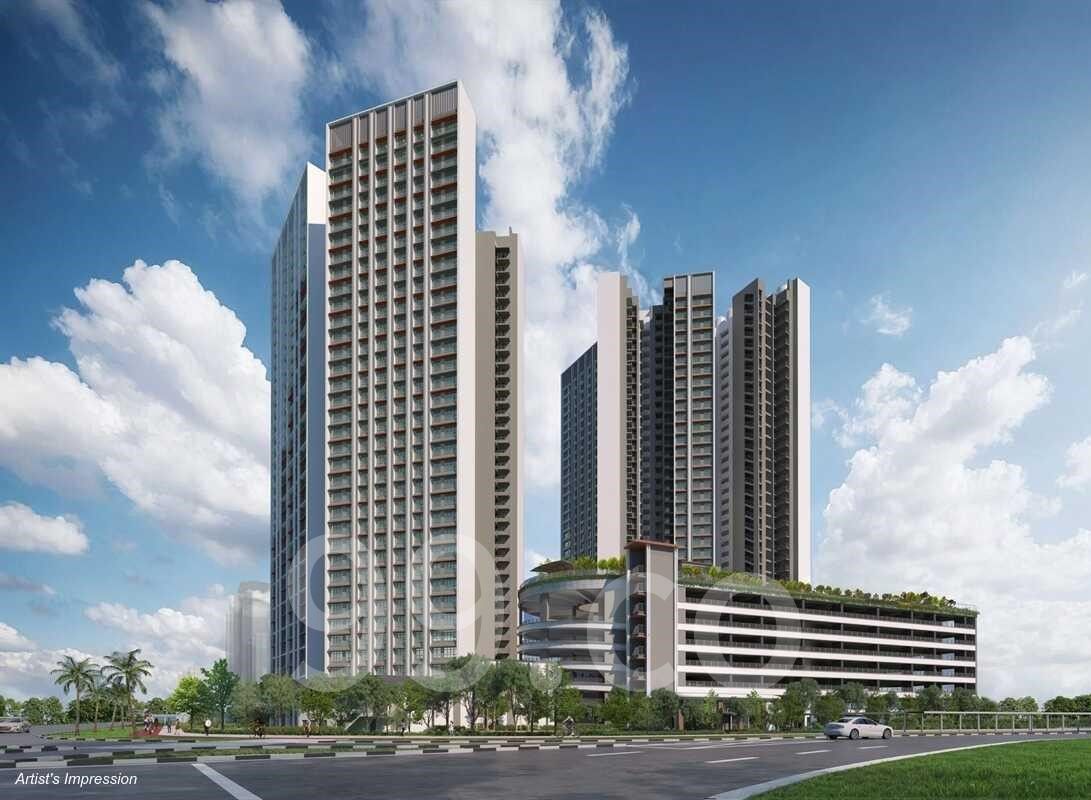
Looking ahead, there is also new housing supply coming into the neighbourhood. Two BTO projects have already been launched nearby. Teban Breeze, introduced in June 2024, saw 3-room units priced at around S$233,000 to S$306,000 at launch. This was followed by Teban Heights in October 2025, where prices ranged from about S$254,000 to S$373,000.
When you compare these figures, resale prices in Teban Gardens are not far off from newer BTO launches, even with a shorter lease. This shows that buyers are willing to pay for immediate availability, established surroundings, and proximity to upcoming infrastructure.
Similarly, older flats in Bukit Merah were transacted at around S$255,000 to S$260,000 for smaller units. However, a clearer contrast can be seen in Toa Payoh. Flats of similar age and layout in this area achieved higher prices, reaching close to S$600 per square foot. Although these units share the same 1967 lease start, their location plays a major role. Being closer to the city, along with ongoing rejuvenation in areas like Toa Payoh West and Mount Pleasant, has supported stronger pricing.
The “longer lease” transactions: Tampines and Ang Mo Kio (1980–1988)
| Street Name | Block | Model | Area (SQFT) | Lease start | Remaining lease (2026) | Price (S$) | PSF (S$) |
| Ang Mo Kio Avenue 5 | 605 | Adjoined | 1,916 | 1980 | 53 years | 1,350,000 | 705 |
| Telok Blangah Crescent | 71 | Improved | 313 | 1975 | 48 years | 275,000 | 878 |
| Tampines Street 42 | 460 | Multi-Gen | 1,787 | 1988 | 61 years | 1,100,000 | 616 |
| Mei Ling Street | 161 | Improved | 915 | 1970 | 43 years | 580,000 | 634 |
In contrast, flats built in the 1980s sit in a different category. These units typically have between 53 and 61 years of lease remaining, which allows for greater flexibility in CPF usage and loan tenure. As a result, they tend to command significantly higher prices.
For example, an adjoined flat in Ang Mo Kio Avenue 5, spanning 1,916 square feet, was sold for S$1.35 million. Meanwhile, a multi-generation unit in Tampines Street 42, offering about 1,787 square feet of space, was transacted at around S$1.1 million. Even smaller units in well-located areas continue to perform strongly. In Telok Blangah Crescent, a compact 313 square foot flat achieved a price of S$275,000, translating to a high S$878 per square foot.
When you compare these figures with older 1960s flats, the gap is clear. The difference in price between a Teban Gardens unit and a Tampines multi-generation flat exceeds S$780,000.
However, this gap is not just about lease length. The “old HDB” market is not a single category. Instead, it is split into two main segments:
- High-value, rare units driven by space and scarcity
- Lower-priced, practical units driven by affordability and location
Both segments are active, but they appeal to very different buyer groups.
The scarcity premium: Adjoined and multi-generation models
One of the clearest takeaways from the Q1 2026 data is the strong performance of rare HDB flat types. Even as the broader market faces some resistance in price growth, these unique layouts continue to stand out. In fact, they are still setting new benchmarks.
This tells you that not all older flats are treated the same. When a unit offers something that cannot be easily replicated today, buyers are still willing to pay a premium.
Adjoined (Jumbo) flats: Space that cannot be replaced
A strong example can be seen in Ang Mo Kio Avenue 5. Here, an adjoined flat was sold for S$1.35 million.
To understand this, it helps to look at how these units came about. Back in the 1980s, HDB combined adjacent 3-room and 4-room flats to manage oversupply while creating larger homes. The result was what we now call jumbo flats. Today, these units are extremely rare.
At close to 1,916 square feet, this particular flat is nearly double the size of a modern 5-room BTO. Because of this, it meets a need that current housing supply cannot fulfil. When you compare this to the private market, the value becomes even clearer. A private home of similar size could easily cost upwards of S$4 million. Comparatively, this jumbo flat was transacted at around S$705 psf.
So, what you are seeing here is a trade-off where buyers accept a shorter lease, but in return, gain immediate space and functionality. For large families, this is often a practical and cost-effective decision.
Multi-generation flats and their hidden advantage
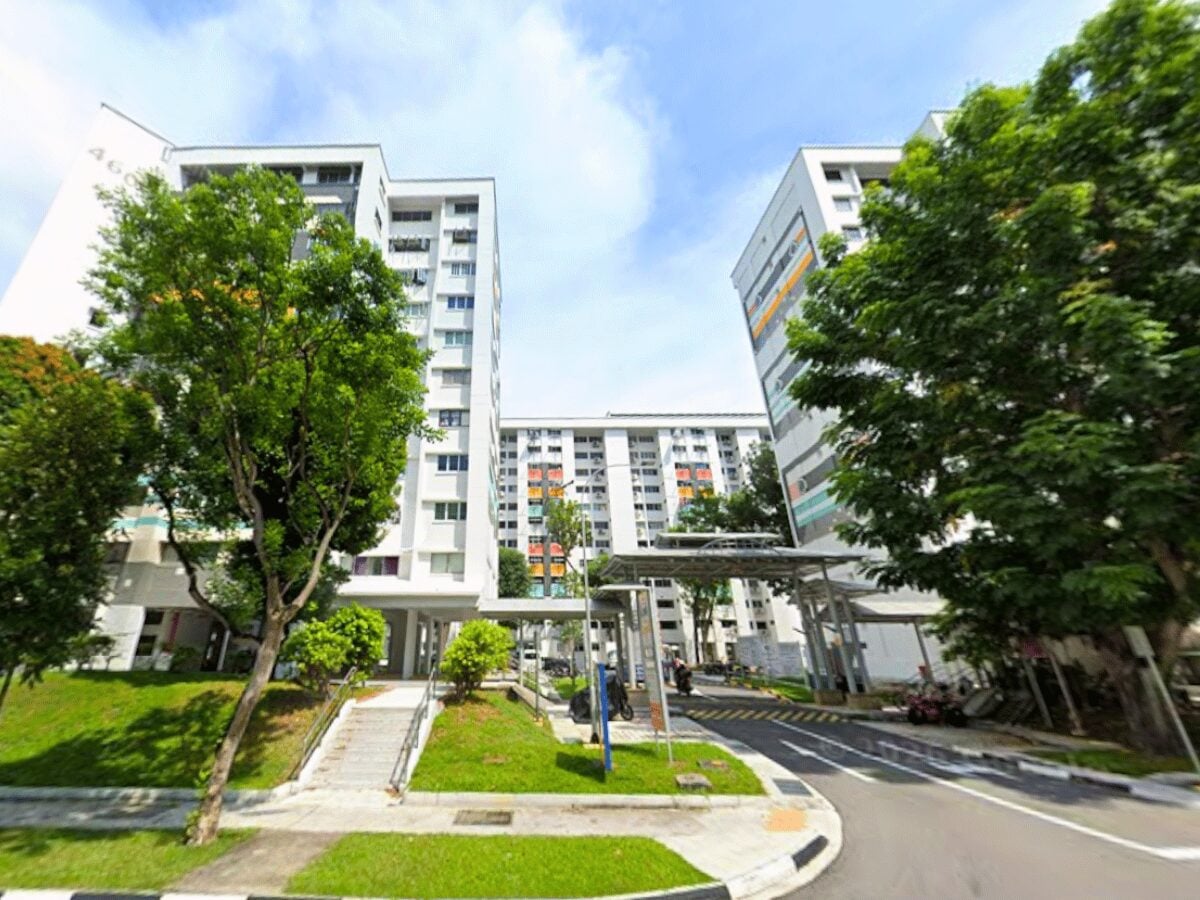
A similar pattern can be seen in Tampines Street 42, where a multi-generation flat was sold for S$1.1 million. These units, built in the late 1980s, were designed with extended families in mind. They often include two master bedrooms and a separate living space, sometimes referred to as a “granny suite.”
However, what makes them especially interesting is their resale flexibility. Unlike newer 3Gen BTO flats, which can only be sold to other multi-generational families, older multi-generation units do not face the same restrictions. This gives them a much wider pool of potential buyers.
Because of this, they tend to hold value better over time. In a market where flexibility matters more than ever, this “liquidity advantage” becomes a key selling point.
It’s also important to note that floor space advantages aren’t just limited to rare households. Older resale flats are generally larger than their modern BTO counterparts with 5-room and 4-room units showing noticeable size reductions for over a decade. This additional space makes a noticeable difference in daily living.
Read more: With both HDBs and Condos shrinking, what can you still afford?
In areas like Henderson Crescent and Mei Ling Street, 4-room flats range from about 797 to 915 square feet. While this is comparable to newer units, older layouts are often more efficient. With fewer structural walls, owners have more flexibility to redesign the space.


4

3

3
2

4
2

4
2

4
2

4
2

6
3

4
3

4
3

4
2
More reasons why buyers still choose older flats
Beyond space, scarcity, affordability, and location, there are several other reasons why buyers are still willing to commit significant sums to flats with shorter leases.
The role of CPF rules in shaping demand
First, CPF rules play a major role. Under the “age 95” guideline, buyers can only fully use their CPF savings if the remaining lease covers them until age 95. As a result, older flats tend to attract older buyers. For example, a flat with about 39 years of lease remaining would require a buyer to be at least in their mid-50s to fully utilise CPF funds. This has naturally created a strong group of right-sizers in the market. These buyers are often selling larger homes and moving into smaller units. For them, lease decay is not a major concern. Instead, the focus is on unlocking cash while still securing a comfortable home in a familiar estate.
Urban rejuvenation as a key support factor
Another important factor is location-driven growth. Older flats are often situated in areas that are undergoing major transformation.
Jurong Lake District supporting Teban Gardens
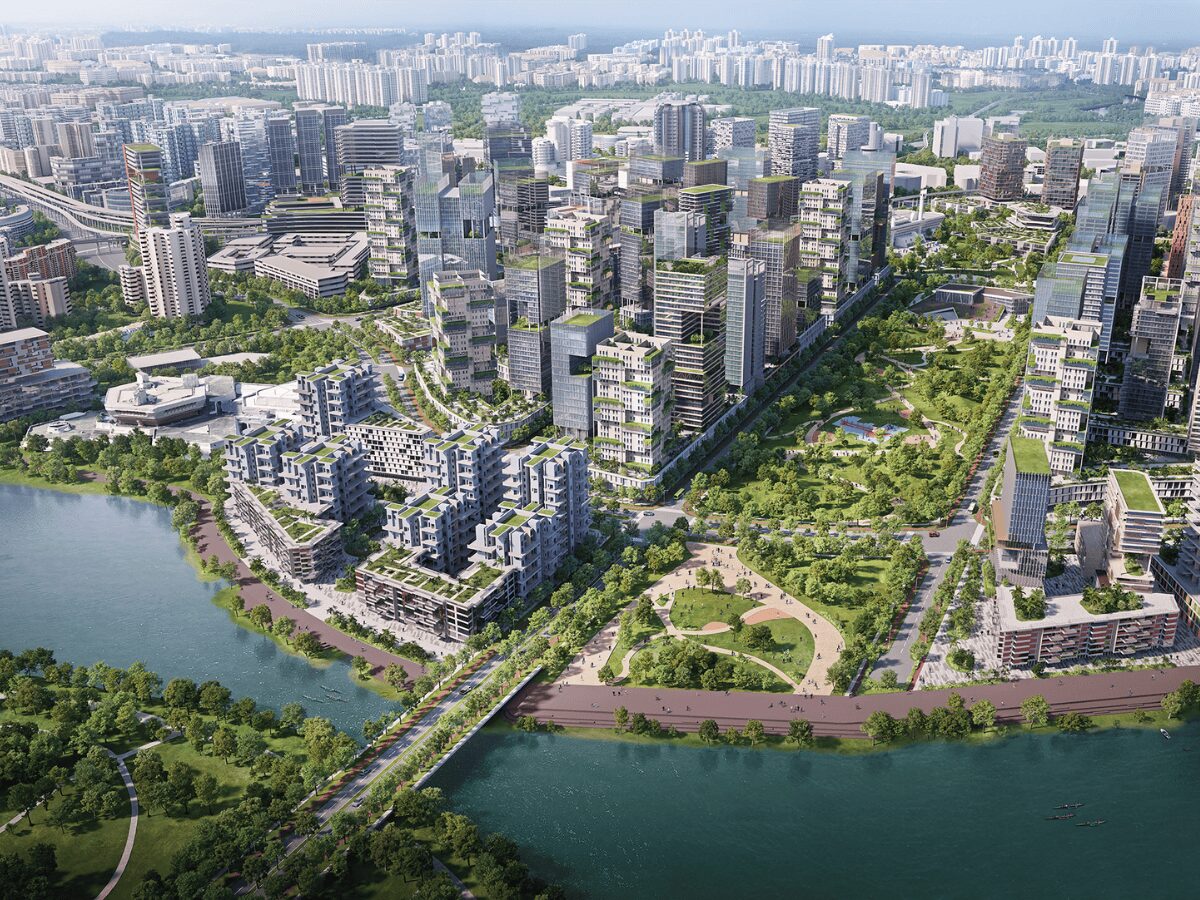
Teban Gardens offers a clear example of this trend. Despite being built in 1966 and among the oldest flats in the market, these units continue to attract steady interest. This is largely due to the Jurong Lake District, which is being developed as a second CBD. With new jobs and transport links on the way, demand in the area is expected to rise. The upcoming Pandan Reservoir MRT station, expected by 2027, further strengthens this outlook.
As a result, buyers are entering early. Even with shorter leases, these flats can serve as rental assets in the near term, while benefiting from future growth.
Greater Southern Waterfront supporting Telok Blangah
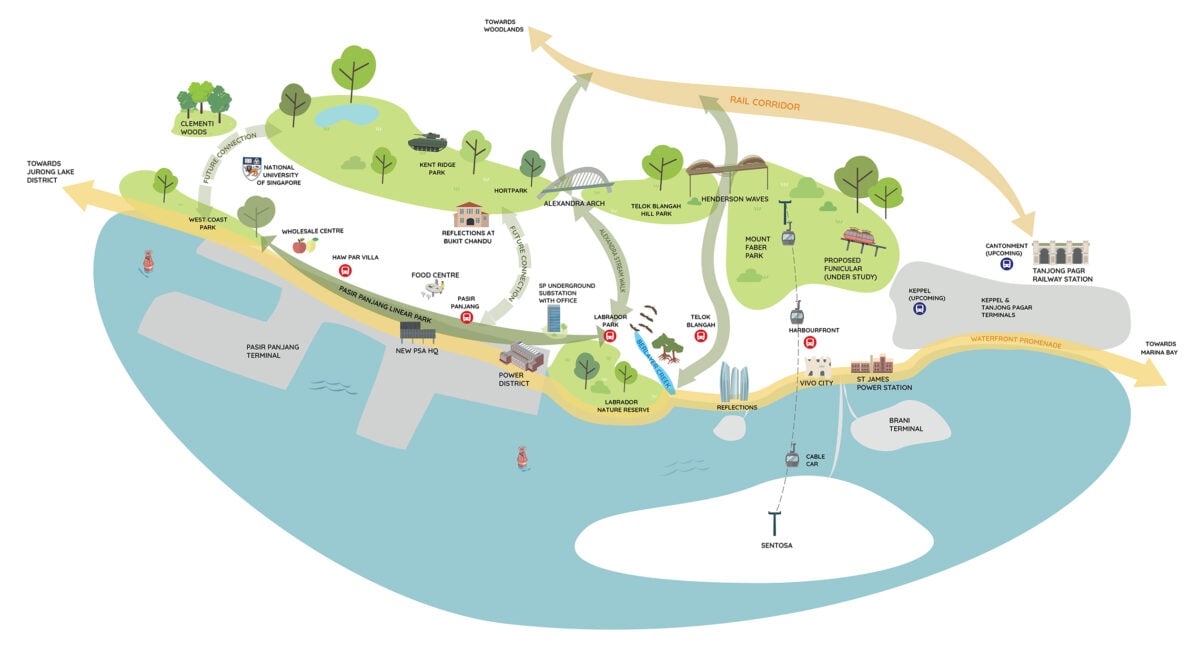
A similar trend can be observed in Telok Blangah. Despite the relatively small unit sizes in this area, prices have reached close to S$880 per square foot, reflecting strong and sustained demand. At first glance, this may seem high. However, these flats sit at the edge of the Greater Southern Waterfront, one of Singapore’s most significant long-term redevelopment projects. As port activities shift to Tuas by 2027, this entire coastal stretch will be transformed.
As a result of this, buyers are not just purchasing an older flat. Instead, they are positioning themselves within a future lifestyle and residential hub. In other words, they are buying into potential, not just the present condition of the property.
Wrapping up
When you bring all these trends together, it’s clear that older flats are no longer judged solely by how many years are left on the lease. Instead, they are evaluated based on a mix of factors – space, rarity, flexibility, and location.
As a result, certain segments, especially rare flat types and well-located units, continue to perform strongly. Even in a more balanced market, these properties are holding their ground and, in some cases, setting new benchmarks.
The post A 39-year lease and still in demand – Why are these HDB flats still selling so well? appeared first on .
